Dental sleep appliances—also called oral appliance therapy (OAT)—are custom-made devices worn in the mouth during sleep to help treat obstructive sleep apnea (OSA) and chronic snoring.
High-Level Overview: Dental Sleep Appliances
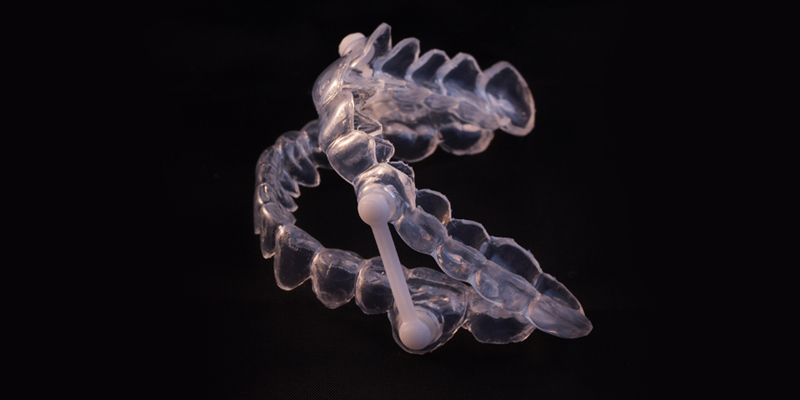
Dental sleep appliances—also called oral appliance therapy (OAT)—are custom-made devices worn in the mouth during sleep to help treat obstructive sleep apnea (OSA) and chronic snoring. These appliances work by gently repositioning the lower jaw and tongue forward, helping keep the airway open throughout the night.
For many patients, dental sleep appliances offer a comfortable, quiet, and non-invasive alternative to CPAP therapy—especially for those who cannot tolerate CPAP or are seeking a more practical long-term solution for our dental clinic near you.

The Problem We’re Solving
Sleep apnea is far more than snoring.
When the airway collapses during sleep, patients experience repeated interruptions in breathing, which leads to:
- Poor sleep quality
- Chronic fatigue and brain fog
- Increased risk of high blood pressure, heart disease, stroke, diabetes, and metabolic issues
- Decreased quality of life and long-term health consequences
Many patients are diagnosed with sleep apnea but fail CPAP therapy due to discomfort, noise, mask issues, or poor compliance. Others remain undiagnosed entirely.
This is where dentistry plays a critical role.
How Dental Sleep Appliances Work

Dental sleep appliances are:
- Custom fabricated based on the patient’s bite and jaw anatomy
- Worn only at night
- Designed to advance the lower jaw slightly forward to prevent airway collapse
- Adjustable over time to optimize comfort and effectiveness
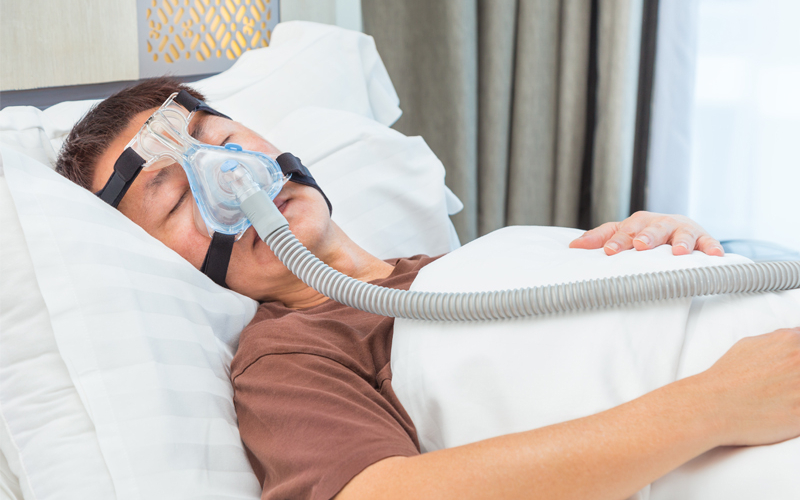
Unlike CPAP, these appliances:
- Do not require electricity
- Are silent
- Are portable and travel-friendly
- Tend to have higher patient compliance in appropriate candidates

Who Is a Good Candidate?
Dental sleep appliances are commonly recommended for:
- Patients with mild to moderate obstructive sleep apnea
- Patients with severe OSA who cannot tolerate CPAP
- Chronic snorers without diagnosed sleep apnea
- Patients seeking a less invasive, more lifestyle-friendly option
A proper evaluation and diagnosis—often in collaboration with a sleep physician—is essential to ensure the appliance is appropriate and effective.
The Dentist’s Role in Sleep Health
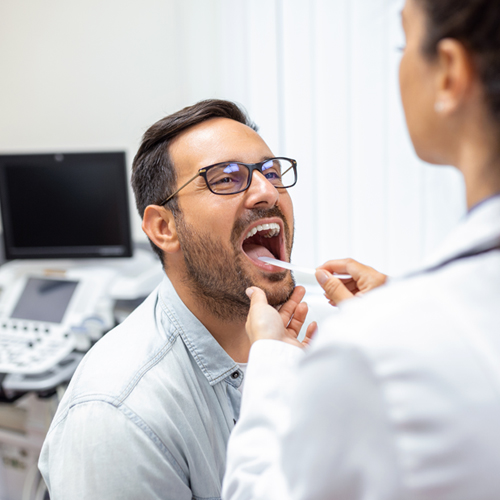
Dentists are uniquely positioned to identify and treat sleep-related breathing disorders because:
- We evaluate the airway, jaw position, bite, and oral anatomy every day
- Many signs of sleep apnea show up in the mouth (wear patterns, tongue posture, jaw structure)
- Oral appliance therapy requires precise dental expertise for long-term success and safety
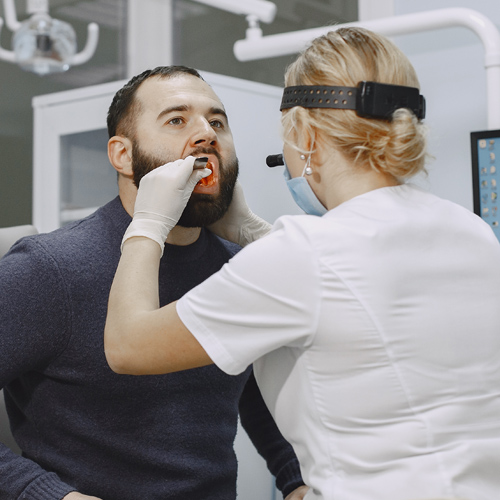
At our office, treatment is not “one-size-fits-all.” It’s a guided, monitored process that includes:
- Screening and risk assessment
- Collaboration with sleep physicians when needed
- Custom appliance fabrication
- Bite monitoring and long-term follow-up to protect the teeth and jaw
Why Patients Choose our Office for Dental Sleep Appliances
From a marketing standpoint, the positioning is simple and strong:

We offer CPAP alternatives for patients who feel stuck or frustrated

Treatment is custom, personalized, and medically guided

Care is focused on both comfort and long-term health, not just symptom relief

Patients receive ongoing support—not just a device and a handshake
This isn’t cosmetic dentistry.
It’s airway-centered, health-driven bridge city dentistry that can meaningfully improve patients’ lives.
Strategic Direction for the Website
If your marketing team needs a directional compass:

Emphasize health impact, not just snoring

Position dental sleep appliances as a solution for CPAP-intolerant patients

Highlight our office’s clinical oversight, customization, and follow-up