
Book An Appointment
* Fields with asterisks are required.What Causes Sleep Apnea and What Helps It Go Away in Bridge City, TX?
July 1, 2026
Many people who struggle with loud snoring, poor sleep, or constant daytime fatigue do not realize these symptoms may be connected to obstructive sleep apnea. Although occasional snoring is common, repeated pauses in breathing during sleep can strain the body and affect overall health over time.
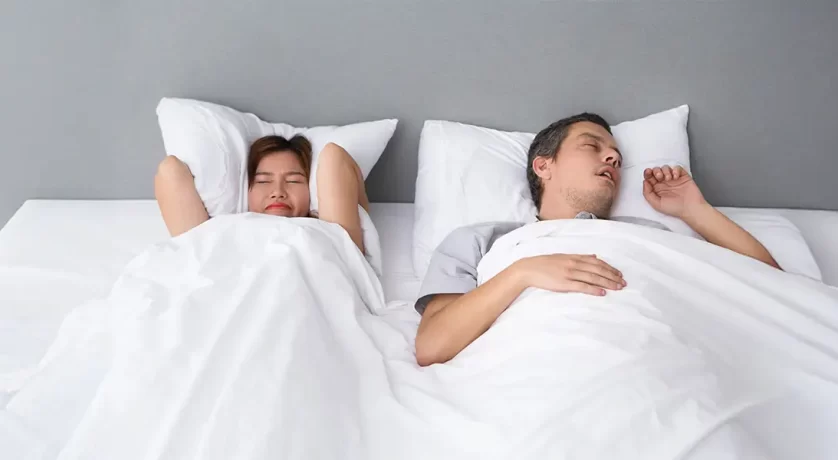
Concerns related to Sleep Apnea in Bridge City, TX continue to affect adults of different ages and health backgrounds. Some individuals notice symptoms gradually, while others first learn about the condition after a partner observes gasping, choking sounds, or interrupted breathing during the night.
Without proper care, sleep apnea may contribute to cardiovascular problems, memory difficulties, mood changes, and ongoing exhaustion. Along with physician-supervised treatment, oral appliance therapy has become a recognized option for people looking for an alternative to traditional CPAP therapy.
What Causes Sleep Apnea?
Excessive relaxation of the throat muscles and tissues during sleep can narrow the airway and contribute to obstructive sleep apnea. As the throat becomes restricted, breathing can repeatedly pause throughout the night.
When oxygen levels begin to fall, the brain briefly signals the body to reopen the airway and resume normal breathing. Although these episodes are usually short, they can happen many times during sleep and interfere with deeper stages of rest.
Both physical anatomy and lifestyle factors may contribute to obstructive sleep apnea.
Excess Weight
Additional tissue around the throat can compress the airways, increasing the likelihood of interrupted breathing during sleep.
Jaw and Facial Structure
A smaller lower jaw, enlarged tongue, narrow palate, or enlarged tonsils may reduce available space in the upper airway.
Aging
Over time, the muscles supporting the throat naturally lose tone, increasing the likelihood of airway collapse during sleep.
Alcohol and Sedatives
Alcohol and sedative medications relax soft tissues in the throat, which can worsen breathing disturbances overnight.
Nasal Congestion
Chronic congestion or difficulty breathing through the nose may contribute to mouth breathing and unstable airflow during sleep.
Family History
Inherited facial anatomy and airway structure can increase the likelihood of developing sleep apnea.
Signs and Symptoms of Sleep Apnea
Symptoms can become more serious as breathing interruptions during sleep occur more often
Common warning signs include:
- Loud or chronic snoring
- Gasping or choking sounds while sleeping
- Waking up tired
- Morning headaches
- Dry mouth after sleeping
- Difficulty concentrating
- Irritability or mood changes
- Excessive daytime tiredness
- Frequent waking during the night
Snoring alone does not always indicate sleep apnea. However, loud snoring combined with daytime exhaustion or witnessed breathing pauses should still be professionally evaluated.
Why Sleep Apnea Should Not Be Ignored
Sleep apnea affects much more than rest alone. Repeated reductions in oxygen levels may place long-term stress on the heart, blood vessels, and nervous system.
Research has linked untreated obstructive sleep apnea to several medical concerns, including:
- High blood pressure
- Heart disease
- Stroke
- Irregular heartbeat
- Type 2 diabetes
- Depression and anxiety
- Memory and concentration problems
Many individuals also notice declining productivity, reduced focus, and low energy levels long before they realize a sleep disorder may be involved.
Since symptoms often develop gradually, many people postpone evaluation and treatment for years.
Can Sleep Apnea Go Away?
For some individuals with mild symptoms, lifestyle changes may lessen breathing disturbances during sleep. Weight loss, limiting alcohol intake, smoking cessation, and healthier sleep habits can sometimes reduce symptom severity.
Even so, obstructive sleep apnea often requires ongoing management because airway anatomy and tissue relaxation may continue to contribute to breathing obstruction.
A formal sleep study is usually required to diagnose obstructive sleep apnea and measure how often breathing interruptions occur. Sleep studies also monitor oxygen levels, heart rate, and sleep patterns throughout the night.
Healthcare providers use those results, along with symptom history and medical findings, to determine the most appropriate treatment approach.
What Helps Sleep Apnea Improve?
Managing sleep apnea focuses on helping the body maintain more stable breathing during sleep and reducing repeated airway obstruction.
Depending on the severity of the condition, treatment may include lifestyle adjustments, CPAP therapy, oral appliance therapy, or physician-directed medical care.
Weight Management
Maintaining a healthy weight may reduce pressure on the throat and improve airflow while sleeping.
Sleep Position Changes
Some individuals experience fewer breathing interruptions when sleeping on their side rather than flat on their back.
Limiting Alcohol Before Bedtime
Reducing alcohol consumption before sleeping may help prevent excessive throat relaxation overnight.
Treating Nasal Congestion
Managing allergies and chronic congestion may help improve nasal breathing during sleep.
Oral Appliance Therapy
Dentists often recommend dental sleep appliances for people with mild or moderate sleep apnea who struggle with regular CPAP use.
Individuals searching online for a Sleep Apnea dentist near you are often exploring treatment options that feel more practical for long-term daily use.
How Dental Sleep Appliances Work
Dental sleep appliances are worn while sleeping and gently reposition the lower jaw forward. This adjustment creates more space behind the tongue and helps reduce narrowing in the throat.
As airflow becomes steadier, many people experience quieter sleep and fewer breathing disruptions throughout the night.
Compared to traditional CPAP machines, oral appliances are smaller, quieter, and easier for many individuals to travel with. Since every appliance is custom-fitted, adjustments can be made over time to improve comfort and positioning.
For people discussing snoring concerns with a dentist near you, oral appliance therapy may become part of a physician-guided treatment plan after proper diagnosis.
How Edgerly Dentistry Helps Patients in Bridge City, TX
Dentists involved in sleep apnea care commonly work alongside sleep physicians after a formal sleep study has confirmed the diagnosis.
Treatment usually begins with a detailed review of symptoms, oral anatomy, airway concerns, and medical history. If oral appliance therapy is appropriate, impressions and measurements are taken to create a professionally fitted appliance.
Follow-up visits remain important because periodic adjustments may help maintain comfort and effectiveness over time.
Patients visiting a dentist in Bridge City, residents already know, for preventive dental care, sometimes learn that oral appliance therapy may also help address chronic snoring and disrupted sleep.
When to Seek Professional Help
Snoring and daytime fatigue should not automatically be dismissed as normal effects of stress or aging.
Professional evaluation may be recommended if symptoms include:
- Loud nightly snoring
- Morning headaches
- Gasping during sleep
- Ongoing daytime exhaustion
- Difficulty concentrating
- Witnessed pauses in breathing
Early management of obstructive sleep apnea may help prevent complications related to disrupted breathing during sleep.
People searching for a dentist in 77611 residents trust for oral appliance therapy should look for providers experienced in airway-focused dental care and sleep-related breathing conditions.
Frequently Asked Questions
What is the most common cause of sleep apnea?
Obstructive sleep apnea is commonly caused by the relaxation of throat tissues that block airflow during sleep.
Can a dentist help with sleep apnea treatment?
Yes. Dentists trained in oral appliance therapy can provide professionally fitted sleep appliances for people diagnosed with obstructive sleep apnea.
Are oral sleep appliances comfortable?
Most individuals adjust well because the appliances are designed specifically for their bite and jaw structure.
Is snoring always caused by sleep apnea?
No. However, loud snoring, fatigue, or interrupted breathing should still be evaluated by a healthcare professional.
Is a sleep study necessary before treatment?
In most cases, yes. A sleep study helps confirm the diagnosis and determines the severity of obstructive sleep apnea.
Who may benefit from oral appliance therapy?
People with mild to moderate obstructive sleep apnea or those unable to tolerate CPAP therapy may benefit from oral appliance treatment.
Finding Relief from Sleep Apnea in Bridge City, TX
Sleep apnea can affect breathing, cardiovascular health, concentration, energy levels, and overall wellness. Because symptoms often appear gradually, many individuals live with the condition longer than they realize.
With proper diagnosis and medically guided care, many people notice quieter sleep, better daytime focus, and fewer breathing disruptions at night.
People interested in learning more about oral appliance therapy and personalized sleep apnea care can contact Edgerly Dentistry for additional guidance and treatment options.
Author's Bio